Transport of bulk cargo
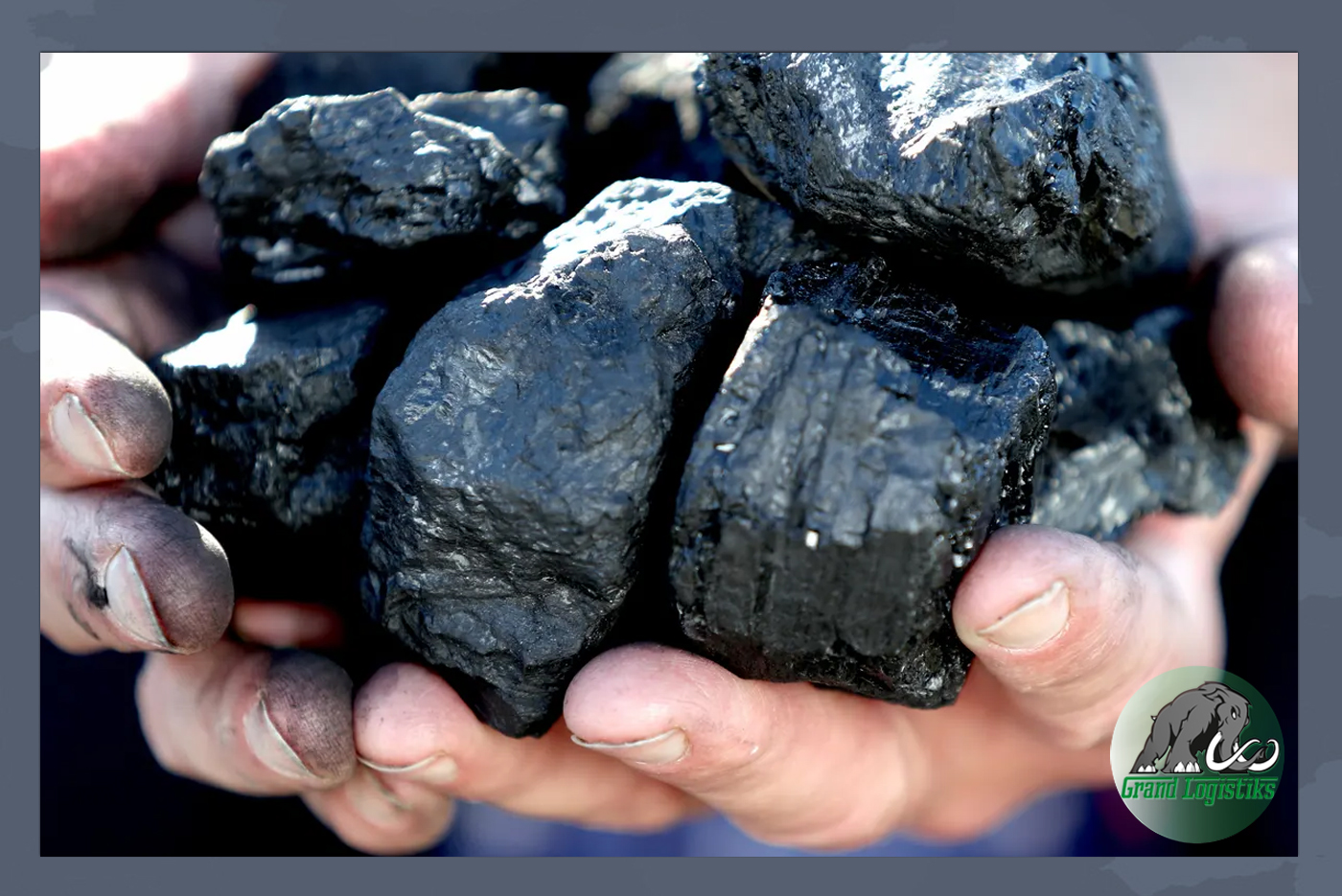
Loads are varied and can be classified in one or more ways. For example, according to the physical state, cargoes can be classified as solid, liquid and gaseous. Solid loads, on the other hand, are single - retaining their shape and size during transport and bulk. Bulk cargo is unpackaged goods transported in large quantities. Bulk cargoes are divided into two main groups - solid or liquid. Solid bulk cargo, also called dry bulk cargo, consists of small, often mobile fractions, homogeneous or heterogeneous in composition and is divided into: agricultural - grain, millet, rye, oats and others. and industrial - ore, coal, sand, scrap, etc.
Each cargo has its own specific features and characteristics in terms of organization of the transportation process. Bulk cargo is a particularly specific mode of transport. They are transported by specialized bulk carriers, railway wagons or special dump trucks, most often gondola type. Some bulk cargoes such as flour and cement require special vehicles and are transported in specialized tanks suitable for use only for this type of cargo. Typically, bulk cargoes are covered with tarpaulin or other dense material to protect them from adverse weather conditions and to prevent them from spilling. According to the specification of the specific bulk cargo, the truck must have the necessary distinctive plate and all transport permits.
Bulk freight pricing is most often formed on the basis of transport costs calculated per tonne per kilometer. Due to the specifics of the loads, the distance traveled is usually considered a circular course.
The forwarder is a provider of all types of transport services. We at Grand Logistiks have enough experience in organizing and implementing the transport of bulk cargo, we can offer you a quality service tailored to the type of bulk cargo, because we work with trusted partners and the transportation of your bulk cargo will be safe whether agricultural or industrial. Contact us and see for yourself!
*Excuse us if there is an inaccuracy in the translation - a common translator is used.